Bantamsklip and Thyspunt nuclear plant formal public meetings

A new round of public meetings on the proposed Bantamsklip and Thyspunt nuclear power developments are taking place across the Overstrand and surrounding regions, offering communities an opportunity to engage directly on the project.

Meetings begin in the Overstrand, with sessions scheduled for early April an then the programme will continue across the Eastern Cape later in the month.

Read more: Bantamsklip and Thyspunt nuclear plant formal public meetings
Meeting numberDateTimeVenueAddress
107 April 202618:00 – 20:00Hermanus Municipal Auditorium1 Magnolia St, Hermanus, 7200
208 April 202618:00 – 20:00NG Kerk Pearly BeachMain Road, Pearly Beach, 7220
309 April 202618:30 – 20:30Gansbaai Tourism Information and Conference Center HallGreat White Junction, Main Road, Gansbaai, 7220
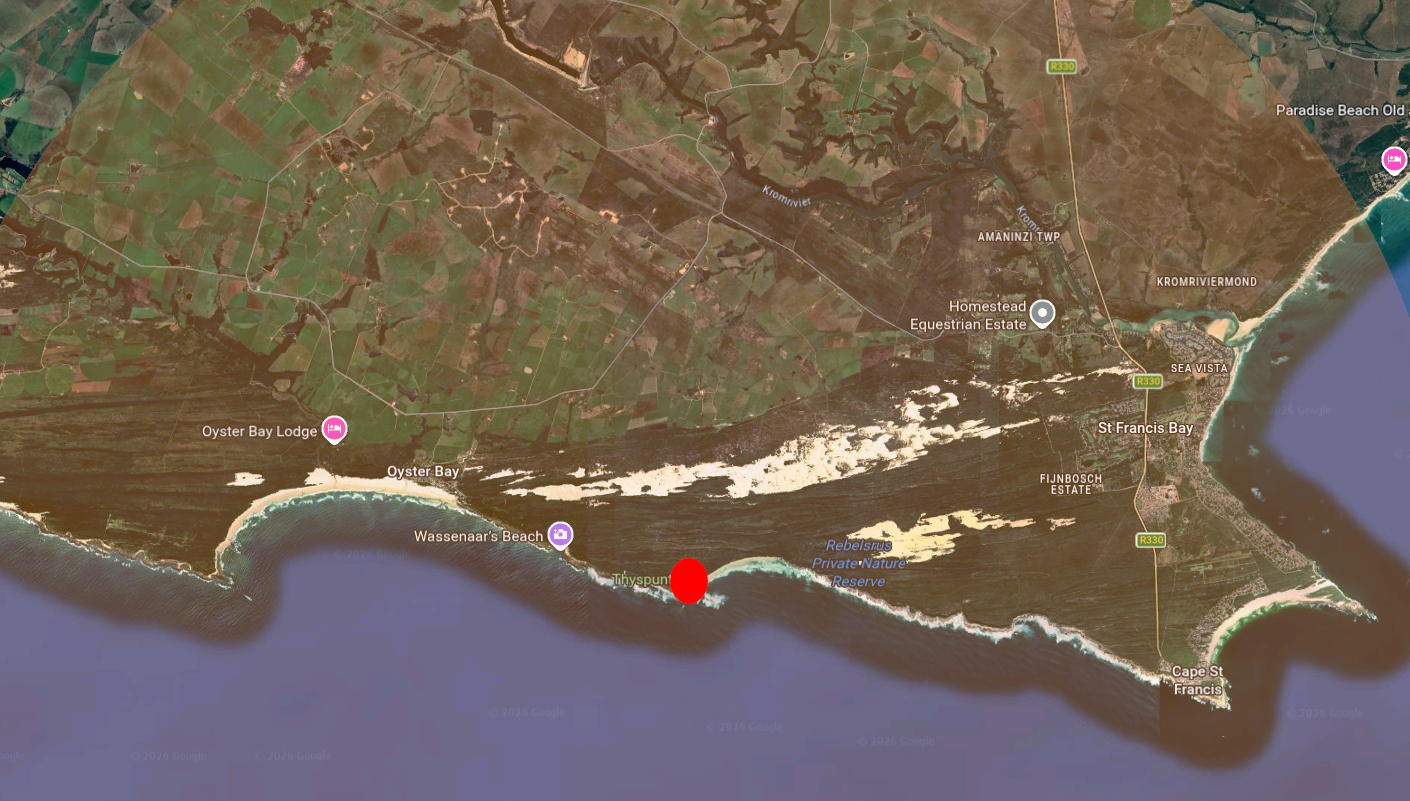
420 April 202618:00 – 20:00St Francis Bay Golf Club556 Lyme Rd, St Francis Bay, 6312
521 April 202618:00 – 20:00KwaNomzamo Community HallMjekula St, Humansdorp, 6300
622 April 202618:00 – 20:00Sea Vista HallGeelbek St, St Francis Bay, 6312
723 April 202618:00 – 20:00Oyster Bay HallOester Ave, Oyster Bay
824 April 202618:00 – 20:00Newton Hall17 Goedehoop St, Jeffreys Bay, 6330

These sessions form part of the public participation process concerning the proposed nuclear power station at Bantamsklip and Thyspunt, which begin with a Draft Scoping Report.

A Draft Scoping Report is the critical first step in an Environmental Impact Assessment that defines the boundaries of what a developer will study, and engaging with it is vital to ensure the inclusion of crucial issues that proponents may wish to “scope out” to secure an easy approval. If the public fails to ensure any issue is included in the Scoping Report at this stage, they lose the right to challenge such an omission later.

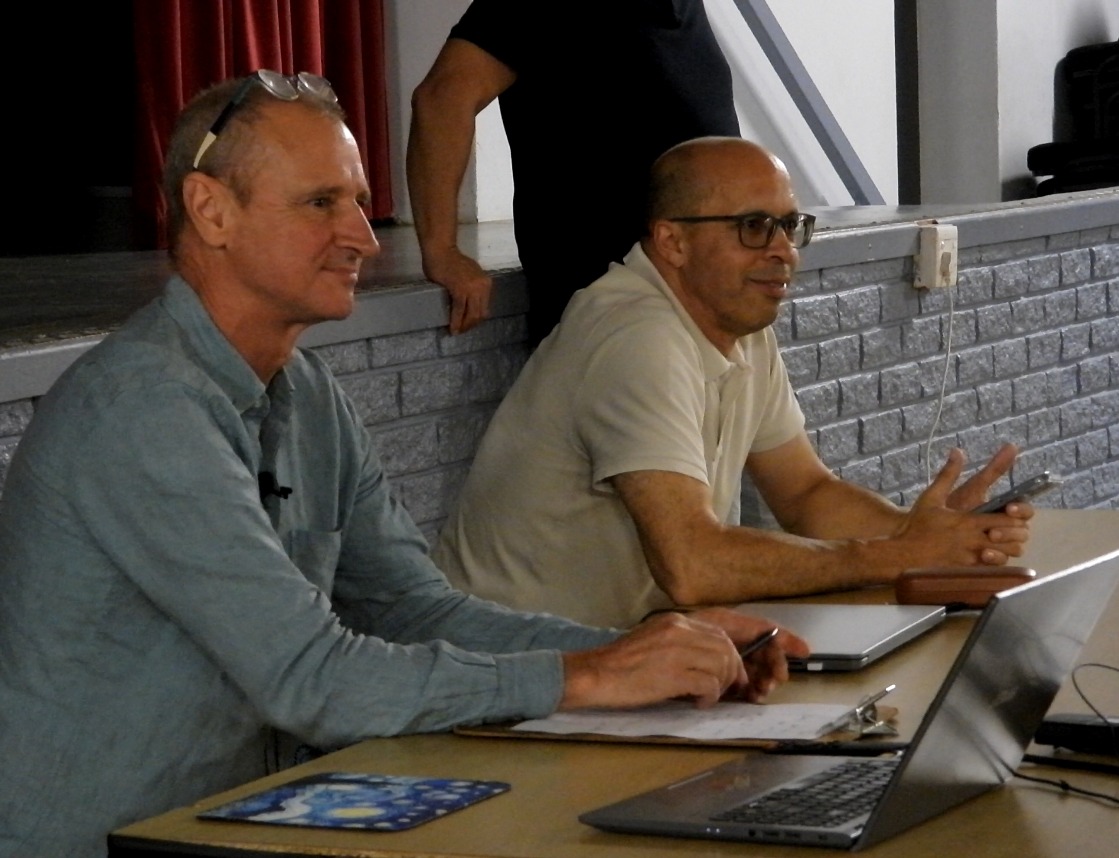
The upcoming engagements follow strong community turnout at earlier meetings held in February in Hermanus and Pearly Beach. Approximately 280 residents gathered in Pearly Beach to voice concerns about the potential impacts of the development. The event, hosted by the Overstrand Environmental Association, brought together residents, environmental groups, business owners and community leaders.

The National Nuclear Regulator (NNR), as well as other bodies who advocate for nuclear power, were invited to be presenters, but only the NNR responded, and Mr Peter Bester gave a presentation focussing on nuclear safety issues at the Hermanus meeting.

The presentation by nuclear expert Peter Becker, of Koeberg Alert Alliance and former National Nuclear Regulator (NNR) board member, drew on technical modelling, regulatory insights and international case studies to unpack the implications of a nuclear build in the region.

Key concerns remain unchanged

A central issue continues to be cost. Multiple South African energy studies including Integrated Resource Plans, CSIR analysis and research from UCT’s Energy Systems Research Group — have consistently found that nuclear power does not form part of the country’s least-cost energy mix.

Internationally, nuclear projects have a track record of cost overruns and delays, with the majority exceeding budgets and timelines by significant margins. These projects typically require long-term state guarantees, raising concerns about the financial burden on taxpayers.

Residents have also raised concerns about long-term economic risk. The Overstrand economy is heavily dependent on tourism, agriculture and fisheries — sectors that are particularly vulnerable to both the perception and potential reality of environmental risk.

The issue of nuclear waste remains unresolved, with no long-term high-level waste solution currently in place anywhere in Africa. The intergenerational implications of waste storage continue to be a point of concern.

Community voices and local impact

Community members have highlighted the potential risks to marine ecosystems and livelihoods, particularly for those living in Buffeljagsbaai dependent on fishing and coastal resources. Questions remain around how a nuclear facility could affect access to fishing areas and the broader marine environment.

There is also concern about the potential consequences of a major incident, including long-term land exclusion, economic disruption, and damage to the region’s reputation as a tourism and agricultural hub.

Call for transparency and meaningful participation

As the public participation process continues, there is a growing call for transparency, accountability and credible evidence to support any decision of this scale.

The strong turnout at previous meetings — and the anticipated engagement at April’s sessions — signals that communities are paying close attention and expect to be meaningfully involved in decisions that could shape the region for generations.

Civil society responds to draft IRP: Nuclear push is costly, risky and unjust

The current image has no alternative text. The file name is: mallinson-2.jpg

Civil society organisations have joined growing criticism of the Department of Electricity and Energy’s proposed expansion of nuclear energy in the recently released draft Integrated Resource Plan (IRP), raising concerns about its financial viability and even its legality.

Summary of the draft IRP

Released in January 2025, the draft IRP’s purpose is to provide a roadmap for meeting South Africa’s forecasted electricity demand and was originally prepared under Minister Mantashe in the Department of Mineral Resources and Energy but the responsibility has since been handed over to the new Minister of Electricity and Energy, Dr. Kgosientsho Ramokgopa.

Continue reading

Koeberg: Intermittent and unpredictable

Koeberg nuclear power station was recently unexpectedly offline for over a week owing to multiple trips at the facility which eventually, combined with a high level of unplanned outages at other plants and finally issues at Kusile, resulted in stage 3 load shedding. Koeberg has come under renewed scrutiny for its inconsistent power generation.

Eskom’s media statement released on Monday, 10 March 2025, was titled: “Koeberg Unit 2 successfully restored to service following unplanned outage, delivering 930MW of reliable baseload power to South Africa” but energy experts and civil society organisations refute the “reliable baseload” statement.

Continue reading

Civil society pushes for community inclusion in nuclear governance

Civil society organisations working in the areas of energy, climate, and sustainable development have called on the Minister of Electricity and Energy, Kgosientsho Ramokgopa, to initiate an open call for nominations to appoint a much-needed community representative to the National Nuclear Regulator (NNR) board.

“The position has been vacant for over three years,” says youth activist Gabriel Klaasen. “In that time, critical decisions about Koeberg and new nuclear generation have been made without any representation from affected communities on the NNR board. This contradicts the Minister’s stated commitment to meaningful and fully informed public participation in the energy sector.”

Continue reading

New Long Term Nuclear Regulations?

On 19 June 2020 new Draft Regulations on the Long Term Operation of Nuclear Installations were published by the Department of Mineral Resources and Energy for comment, due by 19 August 2020. This is the fourth major nuclear power related activity in government circles since the start of the Covid-19 lockdown (the others were the RFI, the EIA Supplemental submission invitation, and the discussion paper on decommissioning policy).

The exact aim of these new regulations is not clear, giving rise to concerns that they may be aimed at attempting to weaken or bypass the regulations relating to Environmental Impact Assessments.

If they were to be adopted, they would likely be applied to attempting to extend the life of the Koeberg Nuclear Plant, which is due to be shut down in 2024. Continue reading

Proposed nuclear build outside Cape Town – public participation meetings

The government is asking the South African public for their input on the proposed nuclear build 30km outside Cape Town in a series of public meetings. These meetings are always attended by the few pro-nuclear stakeholders and it is important that the public also attend to share their concerns about safety, costs and environmental issues.

When?

Melkbosstrand: 18:00, 12 October 2015
Atlantic Beach Golf club

Kenliworth: 18:00, 13 October 2015
Kenilworth Community Presbyterian Church

Is it really worthwhile attending?

Yes! South Africa has an excellent constitution and powerful laws Continue reading

Nuclear power presentations and panel discussion at COP17 side event

The Heinrich Boell Foundation arranged a set of presentations and panel discussion on the theme of ‘Beyond coal and nuclear’.  The three highly distinguished presenters were Kimiko Hirata of the Japanese organisation Kiko network which has its goal the prevention of dangerous climate change; Arne Jungjohann of the Washington office of the Heinrich Boell Foundation (HBF); and Michaele Schreyer, member of the supervisory board of HBF. Continue reading